The death of the ding
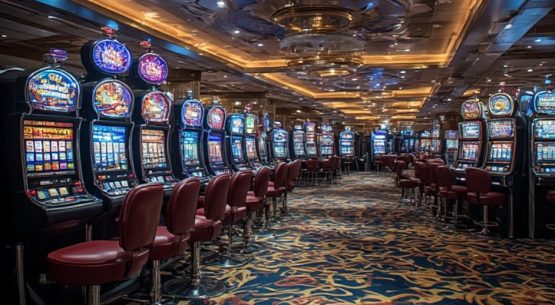
The old casino sound was not subtle. It was a wall of clatter: bells, synthetic chimes, machine chirps, overlapping jingles, all trying to win your attention at once. It made sense in a room full of mechanical and electronic machines competing for the same set of eyes and ears. But it was never exactly musical. It was noise disguised as atmosphere.
Digital platforms changed that because they had to. Once gaming moved onto screens people used for everything else, the old audio logic stopped working. A phone or laptop is not a casino floor. It sits in the same space as Spotify, YouTube, and every other polished media experience people are used to. If the sound feels cheap, repetitive, or vibe-less, the user notices fast. That is one reason the newer generation of online casino entertainment feels sonically different. The goal is no longer to overwhelm. It is to create a mood that people actually want to stay inside.
That shift says a lot about how digital entertainment has matured. The modern platform is not just trying to keep pace with games anymore. It is trying to keep pace with music apps, streaming services, and late-night listening habits. The soundtrack matters because the environment matters.
From lounge acts to playlists
Vegas has always had a musical side. Frank Sinatra was one of the city’s defining residency entertainers, with a long-running presence at the Sands from the 1950s onward, helping to cement the old link between casinos and live performance.
But that older relationship was built around the stage. The music was either happening live in the room, or it was secondary to the machinery on the floor. What has changed in digital space is that music has moved from being an accessory to being part of the architecture. Instead of lounge acts and ambient clatter, platforms now lean on mood-based curation. You hear dream-pop textures, pulsing synth-wave, minimalist house, lo-fi loops, or polished pop rhythms designed to smooth out the whole experience.
That is a very modern instinct. Digital platforms have learned what every streaming app already knows: people stay longer in spaces that feel coherent. Sound is no longer an afterthought. It is part of the interface.
The sonic architecture of digital play
The really interesting shift is not just that the music got better. It is that the role of music changed. On older casino floors, sound was competitive. Every machine wanted to be louder than the one next to it. Digital design works differently. There is only one screen, one session, one user. That means the soundtrack can afford to be deliberate. It does not need to shout. It needs to support the pace of the platform.
And that is where pop music, or at least pop-adjacent production, slips in so easily. Modern digital environments borrow a lot from contemporary listening culture. A little synth-pop brightness here, a little house pulse there, sometimes even the soft wash of something that feels closer to an indie playlist than a gaming product. The point is not the exact track. It is the emotional temperature.
This is why so much of digital gaming now feels closer to a media experience than a pure game. The user is not just clicking through outcomes. They are sitting inside a designed atmosphere. The soundtrack helps carry the illusion that what they are using is less a machine and more a mood.
Why BPM is the new house edge
One of the quiet truths of digital design is that tempo shapes behavior. Faster music can raise intensity. Smoother loops can make longer sessions feel less abrasive. A sparse beat can make an interface feel cleaner and more controlled than a chaotic one. None of this is unique to gaming, of course. Retail, film, fitness apps, even restaurants have been using sound to shape rhythm for years. But digital gaming has become much more aware of it lately.
That is partly because the audience is more sensitive now. People move all day between high-quality audio environments. They know what bad sound feels like, even if they cannot explain it technically. So if a platform still sounds like a cheap arcade, it immediately feels dated. The better ones understand that BPM, texture, and sonic restraint now do as much work as graphics. Maybe more.
The XTP effect
This is where platforms like the XTP online casino become useful to talk about, not as products to sell, but as examples of where the category is heading. What stands out about the newer generation of digital platforms is not just cleaner visuals or faster loading. It is that they feel curated. The sound no longer exists to imitate old machines. It exists to support a more polished digital environment. That makes the whole thing feel closer to contemporary app culture, where the experience is judged as much by feel as by function.
And that is probably the right way to understand the shift. What used to be a clunky digital layer built on top of old casino habits is increasingly becoming something more intentional. Less beep-and-bell chaos. More high-definition mood control. Less machine noise. More soundtrack thinking.
The algorithm of mood
The next obvious step is personalisation.Once platforms understand that music affects retention and atmosphere, the logical move is smarter curation. Different tempos for different moments. Different textures for different game intensity. Maybe eventually, different sound worlds for different kinds of users. This is already how much of the internet works. Feeds adapt. Playlists adapt. Recommendation engines adapt. There is no reason digital gaming would stay fixed forever.
That does not mean every platform will suddenly become a genius music supervisor. But it does mean the soundtrack is no longer just a layer of decoration. It is becoming part of the system itself. And that might be the strangest part of the whole story. The casino once sounded like a room full of competing machines. Now, at least in digital form, it increasingly sounds like a playlist someone actually cared about.
*We appreciate the support of our partners. As always, the views and opinions expressed here do not necessarily match those of Ear to the Ground Music or its editors.
Discover more from Ear To The Ground Music
Subscribe to get the latest posts sent to your email.